For those dealing with a DUI conviction for the first time, Illinois’ BAIID rules may seem confusing and even overwhelming. You may be feeling stressed and unsure about Illinois’ different regulations, on top of an already stressful situation.
In this article, we’ll explain Illinois’ BAIID rules to put your mind at ease and help you feel more confident about your circumstances.
BAIID device use is part of Illinois’ requirements for all those charged with a DUI. These devices are in lieu of more restrictive measures such as vehicle impoundment and the prohibition of all driving activity. BAIID devices allow drivers to continue driving under supervision, making it possible to commute to work and perform other important tasks with more freedom and ease.
Find all the information you need to better understand BAIID devices and how to best comply with Illinois interlock laws.
What is a BAIID Device?
BAIID stands for Breath Alcohol Ignition Interlock Device. It’s also known more simply as an Ignition Interlock Device, or IID. A BAIID allows a driver to start their vehicle only if their blood-alcohol content (BAC) is under the legal amount per state regulations.
In Illinois, a driver with a DUI must have a BAC under 0.025 to successfully start their car with a BAIID.1
Along with a breath test to start the vehicle, the BAIID will prompt drivers to perform additional breath tests at various times while driving.1 This ensures that the driver is not consuming alcohol after the initial breath test.
Most states require those charged with their first DUI to install a BAIID in their vehicle, but specific requirements can vary between states.
Anyone charged with an Illinois DUI for the first time must install a BAIID device in their vehicle unless they choose to refrain from driving altogether. Additionally, a camera must be installed along with a BAIID so that photographic proof can be taken to show that the breath test was completed correctly.1
BAIID devices are designed to keep drivers sober and safe while on the road. They grant more freedom and ease to drivers as they fulfill the necessary DUI requirements.
History of BAIID Device Use
While the first Interlock Devices were created in 1969, they became more commonplace in the late 1980s after California legislation allowing the use of Ignition Interlock devices was passed.2
Generally, DUIs result in on-the-spot license revocation and license suspension by the Department of Motor Vehicles (DMV). But this alone is insufficient in preventing drivers from driving while intoxicated since their license status can only be verified if they’re stopped by law enforcement.
License suspension can be paired with vehicle impoundment or seizure, but this significantly limits the mobility of those charged with DUIs, making it difficult or impossible to work and support one’s needs.
BAIID devices have proven to be a very successful solution to this issue, making it possible for those with a DUI to drive safely and soberly. Now, all 50 states have their own Ignition Interlock device legislation,2 and over 50% of those charged with a DUI use a BAIID in their vehicle.3
How BAIID Devices Work
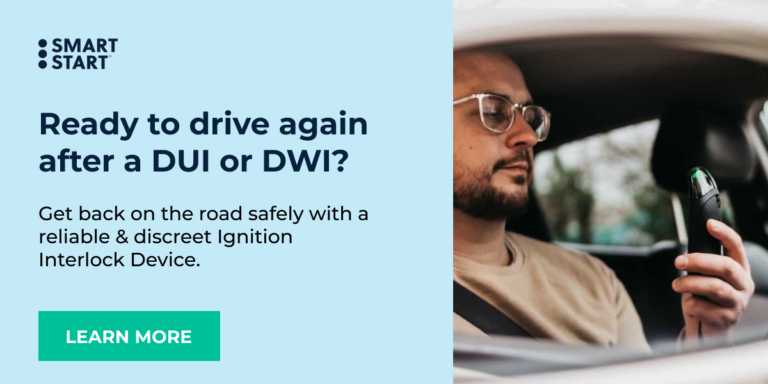
A BAIID device, essentially, is a breathalyzer attached to the ignition of a vehicle, which must be blown into by the driver to start the car. The BAIID determines whether a driver is sober and therefore fit to operate their vehicle by measuring their blood-alcohol content (BAC). The BAIID must be blown into again at certain times while the car is running to continue driving it.1
The process works like this:
- The driver’s BAC is taken via a breath test
- The BAIID device technology can detect any alcohol present on the breath (the breath alcohol content, or BrAC)
- The device determines the BAC of the driver.
Because the BAIID is wired into the vehicle’s ignition, anyone attempting to drive the car must perform the required breath tests, even if they’re not the one with the DUI. However, responsibility for all actions recorded by the BAIID falls on the person charged with the DUI.1
Per Illinois law, the BAIID requires a camera attachment that will take a picture of the driver while performing the breath test. All data collected by the BAIID, including recorded BAC levels and photos, are sent to the Secretary of State’s office for review. Every 60 days, this information is downloaded and analyzed by the office to check for a BAIID violation.1
Research has proven BAIID devices to be very effective in preventing repeat DUI charges, often by as much as 65%.4 As technology continues to grow and evolve, BAIID effectiveness will too.
Illinois BAIID Installation and Maintenance
The first step to acquiring a BAIID for your vehicle is to apply through the Illinois Secretary of State. If this is your first DUI, you must obtain a Monitoring Device Driving Permit (MDDP) through the Secretary of State’s office.1 You must have both an MDDP and a BAIID to drive legally after being charged with an Illinois DUI.
For those with multiple DUIs, a BAIID may be used in conjunction with a Restricted Driving Permit (RDP), which limits driving to essential activities, like driving to work.4
While the Office of the Secretary of State or the court may issue the requirement of a BAIID to be installed in your vehicle, it’s your responsibility to purchase and service your own device. Fees can include1:
- Device installation, paid to your BAIID provider
- Monthly device rental, paid to your BAIID provider
- Monthly monitoring fees, paid to the Secretary of State’s office
You must also have your BAIID serviced regularly by your BAIID provider to keep your device properly calibrated and functioning correctly.
The Illinois Secretary of State provides several resources for drivers, including a list of approved BAIID vendors and service locations.5
Legal Implications of BAIID Violations
A BAIID violations is taken seriously by the Illinois Secretary of State. A driver using their BAIID device incorrectly or attempting to “cheat” the system can be dangerous for both the driver and others on the road. In fact, multiple violations will compound and lead to increasingly strict penalties.
Taking the time to familiarize yourself with BAIID devices and Illinois Interlock laws will make you more informed and help you avoid violations.
Every 60 days, the Illinois Secretary of State’s office will evaluate your BAIID’s data, and if any violations are found, you will be notified and asked to explain what happened.1 Violations can include any of the following:
- Tampering with your BAIID device in any way–either attempting to remove the device or the camera, or providing a false breath sample.
- Any unsuccessful ignition attempts or failed or unperformed breath retests while the car is running.
- Failure to notify or provide evidence for the installation of a BAIID device to the Secretary of State’s office.6
Any unsuccessful attempts to start your car with your BAIID will result in a three-month extension on your license suspension.1 However, if violations continue to occur, more drastic measures will be taken, including1:
- MDDP cancellation
- Car impoundment (after three violations)
- Car seizure (after four violations)
Is DUI a felony in Illinois? Yes, sometimes. The penalty for driving a car without a BAIID installed is high; under Illinois law, this is considered a Class 4 felony.1
Violations of Illinois BAIID rules are answered with penalties that are undesirable, restrictive, and costly. To that end, it’s best to use your BAIID correctly to avoid any legal consequences.
The Effectiveness of BAIID Devices
BAIID devices and BAIID laws are very effective at preventing recurrent drunk driving instances.
Research has also found that BAIID use can lead to a reduction in the amount of alcohol a person drinks. In one study, drinking frequency and alcohol intake amount were seen to decrease for a majority of participants, and 14% of participants stopped drinking altogether.3
DUI recidivism rates also dramatically decrease with the use of BAIID devices,4 making it less likely that you’ll have to deal with DUI penalties in the future.
No one is thrilled to deal with the requirements that come with a DUI charge. But by using a BAIID, fulfilling these requirements becomes much easier to manage.
Additionally, by adhering to Illinois BAIID rules, you help to create safer roads for yourself and other drivers, steering clear of the trouble that comes with an aggravated DUI in Illinois.
Meet Illinois Regulations with Smart Start’s BAIID Devices
Smart Start is happy to be an Illinois-certified BAIID vendor with a large number of installation sites throughout the state.7
Smart Start currently offers the most affordable BAIID Illinois has to offer. In addition to that, we provide reliable, user-friendly technology and impeccable customer service. Our lines are open 24/7 to help you with any Smart Start Ignition Interlock-related questions or issues. It’s our priority to put your mind at ease and help you comply fully with Illinois’ BAIID rules.
Smart Start is here for you through every step of the process, from BAIID installation and training to servicing and removal. Learn more about the different BAIID devices we offer, and find a convenient Smart Start installation location near you.
Sources:
- The Office of the Illinois Secretary of State. Breath Alcohol Ignition Interlock Device (BAIID). https://www.ilsos.gov/departments/BAIID/baiid.html
- Centers for Disease Control and Suspension. Alcohol Ignition Interlocks. https://www.cdc.gov/transportationsafety/calculator/factsheet/interlocks.html
- National Library of Medicine. The Impact of Interlock Installation on Driving Behavior and Drinking Behavior Related to Driving. https://www.ncbi.nlm.nih.gov/pmc/articles/PMC7879393/
- Illinois Criminal Justice Information Authority. Alcohol Impaired Driving in Illinois. https://icjia.illinois.gov/researchhub/articles/alcohol-impaired-driving-in-illinois
- The Office of the Illinois Secretary of State. BAIID. https://www.ilsos.gov/departments/BAIID/home.html
- Illinois Legal Aid. BAIID Violations. https://www.illinoislegalaid.org/legal-information/baiid-violations
- The Office of the Illinois Secretary of State. Illinois Certified BAIID Vendors. https://www.ilsos.gov/departments/BAIID/certbaiid.html

Violation Consequences in Texas: What You Need to Know
Are you in a tight spot with Texas’s Interlock system regulations? Mistakes happen.
Texas’s legal framework is structured to manage such mistakes, and knowledge is your first step toward resolution. There’s the possibility of having your driving privileges put on hold, and in Texas, where your car gets you everywhere, that’s no small thing.
Interlock Devices Explained: Understanding the Purpose and Usage
More and more cars in Texas have Interlock Devices nowadays. They’re a useful alternative to the occupational licenses that DUIers had to painstakingly obtain before. So long as your blood-alcohol content was below 0.15 and it was your first DUI, you can have an Interlock installed to resume driving.1
Here’s a quick run-down on Interlock Devices:
For Texans with a DUI history, Interlocks are simply a part of getting back on the road. Texas law wants to see a commitment to safety, and that’s precisely what Interlocks represent.
Consequences of Violation: Penalties for Interlock Violations in Texas
There are a few ways you can fall afoul of Interlock rules, such as2:
Texas takes these rule breakers seriously, and you can face some hefty repercussions. The Interlock violation consequences Texas gives out include the following:
Although the DUI laws in Texas can be a headache, the bottom line with Interlock violations is straightforward: they’re not to be taken lightly. The fines and the inconvenience only skim the surface, so it’s best to keep a clean slate and follow instructions strictly.
Appealing Violations: Options for Challenging Violations
If you don’t think you’ve violated the usage requirements for your Interlock system, there may be ways to appeal the violations. Usually, you’ll have 30 days to submit an appeal for one of the following reasons:
If you decide to appeal, it’ll be assessed in one of the following ways, depending on your unique circumstance3:
Either way, you’ll have the opportunity to present your case along with relevant information or evidence, contest the violation, and perhaps negotiate a resolution. There are no guarantees, but if handled correctly, it’s possible to turn things around.
Get Back To Driving with Smart Start
Ready to tackle the road again with Smart Start’s Ignition Interlock Device? Whether it’s a DUI vs. DWI offense in Texas, don’t let this setback keep you sidelined. Smart Start offers Texans easy installation, transparent pricing, and 24/7 multilingual support to get your life back on track quickly and safely.
Visit Smart Start now and take the first step toward regaining control of your life.
Sources:
Schedule an Installation
Get a quick and easy IID installation with Smart Start! Get started today!
¡Obtenga una instalación rápida y fácil de IID con Smart Start! ¡Empieza hoy mismo!
"* (required)" indicates required fields
Your First DWI Offense In Texas: Navigating the Unknown
Updated December 18, 2024
If you’re experiencing your first DWI charge in Texas, you’re likely worried about your future. What kind of repercussions might you face, and what happens next?
Understanding the potential consequences of a Texas DWI on the first offense is crucial for navigating the path ahead. This guide will cover some of the general information that anyone facing a DWI in Texas for the first time should know, including when you might be required to install an Ignition Interlock Device on your vehicle.
What’s the Definition of a DWI In Texas?
The Texas Department of Transportation (TXDOT) specifies that a person is considered legally intoxicated when their blood alcohol concentration (BAC) reaches .08%. That means that a driver who gives a breath or blood sample that indicates a BAC of .08% or higher can be arrested for driving while intoxicated (DWI), which is considered a Class B misdemeanor on your first offense. These laws also apply to boats and other watercraft. However, TXDOT also notes that a driver can be considered too impaired by alcohol or drugs to safely operate a vehicle, regardless of their actual BAC.
At this point, you might be wondering: What’s the difference between a DUI and DWI in Texas? You’ll often hear these terms used interchangeably, but they refer to different violations in Texas. In the simplest terms, only drivers who are too young to legally drink alcohol can be charged with DUI. For more on a DUI vs. DWI in Texas, read our guide.
What Are the Consequences for a Texas DWI On First Offense?
Even if it’s your first incident and there were no accidents or injuries, there are serious consequences for a DWI in Texas. Per the Texas Impaired Driving Task Force, some of the consequences that you might have to face for a DWI conviction in Texas include:
Aggravating Factors for DWIs in Texas
Certain conditions can make the consequences of your first DWI offense in Texas more severe. Be aware of the following aggravating factors, which you can read more about in the Texas Penal Code or on the Texas Impaired Driving Task Force website:
Administrative License Revocation (ALR) in Texas
The administrative license suspension system is a separate civil process that automatically suspends your driver’s license when you’re arrested for DWI in Texas. Here’s how ALR works for a Texas DWI on your first offense, according to the Texas Department of Public Safety:
When you’re ready to get your license back after a DWI in Texas, note that you’ll need to pay a $125 reinstatement fee as part of the process.
Getting an Interlock Device After a First DWI Offense In Texas
To continue to drive while your license is suspended, you might have to install an Ignition Interlock Device (IID) on your vehicle. An Ignition Interlock Device connects to your vehicle’s ignition system and requires you to provide a breath sample before starting the vehicle. If alcohol is present in your sample above a certain concentration, the IID will prevent the vehicle from starting.
The Texas Department of Public Safety states that once you have a court order mandating the use of an IID, you’ll have 30 days from the day the notice is served before your driving privileges are canceled. During that time, you’ll need to have an IID installed on any vehicle you drive. When you’ve had the interlock installed, you can submit your application for a restricted interlock license and pay a reinstatement fee. Remember that you’ll also pay a fee to lease the Ignition Interlock Device and have it installed.
The court has discretion over how long you’ll have to keep your IID installed in your vehicles. In some cases, you may be able to apply to the court for permission to have your IID removed early, so talk to your attorney to learn about your options.
Handle Your Texas IID Requirements With Smart Start
Thousands of people facing their first DWI in Texas have partnered with Smart Start to install their Ignition Interlock Devices. We’re a Texas-based company who understands what Texans need to get back on the road: same-day IID installation, 24/7 support, affordable prices, and multilingual customer service that’s always ready to help.
If you’re dealing with your first DWI offense in Texas, you’re not alone. Reach out today to our friendly team of Program Advisors in Texas — we’re ready to help you find a convenient and affordable IID solution for your vehicle.
Schedule an Installation
Get a quick and easy IID installation with Smart Start! Get started today!
¡Obtenga una instalación rápida y fácil de IID con Smart Start! ¡Empieza hoy mismo!
"* (required)" indicates required fields
Unraveling the Legal Maze: DUI vs. DWI in Texas
Are you looking to understand the distinction between a Texas DUI vs. DWI? It’s a common misconception that they’re merely different acronyms assigned for the same offense of impaired driving. This isn’t the case in Texas.
While some states might use DUI (Driving Under the Influence) and DWI (Driving While Intoxicated) interchangeably, Texas differentiates between the two. Despite the differences in terminology, one aspect remains consistent: the gravity of either charge.
By the end of this quick article, you’ll know exactly the difference, how you end up with either charge, and some ways to defend yourself against them.
Understanding a DUI vs. DWI in Texas
The difference between DWI and DUI in Texas boils down to age. If you’re under the age of 21 and you’re operating a motor vehicle—boats included—with any amount of alcohol in your system, you’ll be charged with DUI.
On the other hand, Driving While Intoxicated (DWI) in Texas refers to operating a vehicle in a public space while having a blood alcohol concentration (BAC) of 0.08% or higher or being impaired by alcohol or drugs to a degree that reduces your mental or physical faculties.1
This means that even if your BAC is below 0.08%, you can still be charged with DWI if alcohol or drugs compromise your ability to drive safely. Let’s break down a few of the penalties for both.
Legal Consequences of DUI and DWI in Texas
Driving Under the Influence starts at a class C misdemeanor but escalates to a class B after two prior convictions.
For a DUI
Legal repercussions for a DUI charge in Texas can include:
For a DWI
Driving While Intoxicated starts at a class C misdemeanor but can escalate to a felony charge. The possible repercussions for a DWI case in Texas are as follows.
On the first DWI in Texas:
On the second DWI offense:
On the third DWI offense:
A Few Notes on Chemical Testing
What if you refuse chemical testing? You might think, “If I don’t let them test me, they can’t catch me.” Not necessarily. If you’re on Texas roads with a Texas driver’s license, you’ve already agreed to test through implied consent.
If there is any gray area in determining how intoxicated a person is at the time of investigation, the police will quantify the case severity by testing the individual’s blood for alcohol content and volume.
Blood Alcohol Content (BAC) Limits: The BAC Levels that Determine Charges
Blood alcohol content (BAC) measures the concentration of alcohol in your bloodstream at the moment of your arrest. When an officer requests you to lower your car window and use a breathalyzer (the device with a tube you blow into) that device’s reading determines what comes next.
Here are the specific BAC levels Texas monitors3:
In thinking about Texas laws specifically, Texas officials also install the following rules of the road:
Defense Strategies: How to Defend Against DUI and DWI Charges
If you are charged in Texas with a DUI or DWI and you haven’t taken a plea deal, you’ll need to settle your case in court before a judge. Everything will be examined under the microscope: your breathalyzer test, your arrest procedure, and anything you said or did throughout the arrest and thereafter.
Now, it’s not up to you to devise a defense strategy. That’s your attorney’s responsibility—and they are the subject-matter expert to default to if you find yourself in this defensive position. That said, if you feel you have been wrongly convicted of a DUI or DWI in Texas, there are a few ways you can defend yourself in a court of law.
When to Get an Interlock Device
If you’ve never heard of an Ignition Interlock Device (IID), they’re built-in breathalyzers that won’t allow your car to start if it detects alcohol when you blow into it. You typically won’t be allowed behind the wheel without one of these leading up to and after a conviction.
Let’s quickly run down the whats and whens of IID installation.4
There will be additional consequences if you violate the conditions of your IID use. If you need an Interlock Device installed, the smart move is to partner with an installer who will make the process as smooth and hassle-free as possible.
Get Back on the Road Hassle-Free with Smart Start
Speaking of authorized IID installers that keep it quick, affordable, and simple—we’re Smart Start. With the best Ignition Interlock Device Texas offers, Smart Start also provides easy installation, affordable pricing, and reliable customer service.
Our commitment to helping you avoid Interlock violations in Texas by complying with legal requirements and regaining your driving privileges is unmatched. Choose Smart Start to handle all of your IID needs easily.
Sources:
Schedule an Installation
Get a quick and easy IID installation with Smart Start! Get started today!
¡Obtenga una instalación rápida y fácil de IID con Smart Start! ¡Empieza hoy mismo!
"* (required)" indicates required fields
Is a DUI a Felony in California?
Updated July 17, 2025
In California, DUI-related charges can generally be categorized as either misdemeanors or felonies, based on the factors unique to the specific case. Though each comes with penalties, felony charges are considered more serious crimes and are eligible for heavier sentences.
If you face either of these charges in California, it’s important to understand what separates felonies from misdemeanors. While this article isn’t a substitute for advice from your attorney, it will give you a general idea of how California law treats the classification of DUI cases.
Understanding DUI in California: DUI Classifications Explained
A DUI in California can be either a misdemeanor or a felony. The definitions of misdemeanors and felonies vary under some state laws, but generally speaking, the Encyclopedia Britannica defines them as:
A DUI can also come with administrative consequences that are administered outside of the court system. The most common administrative consequence of a DUI is having your license suspended by the California DMV. This penalty applies on top of any legal penalties imposed by the court.
Is a DUI a Felony in California?
Most DUI charges are misdemeanors in California. Felony DUI charges are much less common and are typically reserved for drivers with repeat DUIs, or whose arrests involved other aggravating factors like a collision that caused injuries. However, even a misdemeanor DUI is a serious charge that will require you to make some changes in your life.
Getting any kind of DUI is the start of a long road that often includes fines, driver’s license suspensions, and installing an Interlock Device in your vehicle. That said, getting a misdemeanor DUI instead of a felony does allow you to avoid some of the most serious penalties associated with a felony DUI. For more information about the consequences of a DUI in California, see the section on penalties in this article.
There’s one more exception to know about, as specified by the California DMV. If you’re under 21, California’s “Zero Tolerance” law makes it illegal to drive with any detectable level of alcohol in your bloodstream, and the DMV can suspend your license for blowing even a .01 on an alcohol detection device (or if you refuse a test). While this is technically considered an administrative penalty, rather than a misdemeanor or felony DUI, it can still result in suspension of your driver’s license and negatively affect your life. If you blow over a .08, you can also still get a normal DUI, regardless of your age.
When Is a DUI a Felony in California?
If the facts of your DUI arrest and/or your record include any of the following, there’s a higher likelihood that you may be charged with a felony DUI:
The state’s attorneys will review the facts of your arrest and decide whether to charge you with a misdemeanor or a felony.
Is a First-Time DUI a Felony in California?
Many drivers who have just gotten their first DUI might wonder whether they’re likely to be charged with a felony. The answer is that a first-time DUI in California is almost always a misdemeanor unless any of the factors we just listed are present.
Whether your DUI is a misdemeanor or a felony, hiring an attorney to represent you is almost always a smart move. An attorney can explain exactly what you’re being charged with and help you figure out how to move forward with the legal and administrative consequences of a DUI.
Legal Implications: Potential Consequences of a Felony DUI
According to the official California Driver’s Handbook, the penalties for either a misdemeanor or a felony DUI conviction include:
More severe penalties may include:
If you get a felony DUI or you have other aggravating circumstances, it’s more likely that you’ll be subject to harsher penalties. Finally, all DUI convictions (misdemeanor or felony) remain on your record for 10 years.
Moving Forward After a DUI in California
Getting a DUI is a big mistake, but it doesn’t have to put the brakes on your whole life. To fully restore your driving privileges after your DUI, you’ll have to take steps that might include paying fines, attending alcohol classes, or serving jail time. Talk to your attorney about the best way to complete the requirements of your program.
You’ll also need to think about whether you want to apply for a restricted license. If you don’t apply for a restricted license, you will be prohibited from driving for any reason until the term of your suspension ends. Most drivers will have the option of applying for one of two types of restricted license, according to the California DMV:
The last one can be particularly critical because it often allows you to live your life with minimal disruption. Let’s take a quick look at how Ignition Interlocks work and why you might have to install one after getting a DUI in California.
Getting an Ignition Interlock Device
Depending on the specifics of your case, you might be required to install an Ignition Interlock Device (IID) on your vehicle after a DUI. An IID connects to your car’s ignition system and requires you to provide a breath sample before starting the car. If the device detects a level of alcohol on your breath above its set point, it will prevent the vehicle from starting. Learn more about how IIDs work.
An IID verifies that you’re staying in compliance with your program and avoiding intoxicated driving. You’ll be responsible for paying the cost of the IID and for having it regularly serviced at an approved service center. The length of time you’ll have to keep it installed for varies depending on the requirements of your DUI program.
Smart Start is a state-approved California Ignition Interlock provider — and our friendly Program Advisors are ready to help you get back on the right road. Call us now to schedule your installation appointment, or fill out our convenient online form for a call back.
Schedule an Installation
Get a quick and easy IID installation with Smart Start! Get started today!
¡Obtenga una instalación rápida y fácil de IID con Smart Start! ¡Empieza hoy mismo!
"* (required)" indicates required fields
How Long Does a DUI Stay on Your Record in California?
Having a DUI can impact your life in unexpected ways. As long as it stays on your record, you’ll have to deal with hurdles that can include travel restrictions, economic struggles, and even social stigma.
In California, your DUI conviction will remain on your driving record for ten years starting on the date of your arrest.1 There are ways to have your criminal record cleared sooner, but it depends on the unique circumstances of your DUI case and the proceedings following it.
Understanding DUI Records: The Details of DUI Records
You have two types of records relevant to your DUI charge: your criminal record, and your driving record:
Though your criminal record may have a more significant daily impact, both of these records can affect your life.
Impact on Your Life: Dow a DUI Record Can Affect You
How long does DUI stay on record in California? Long enough to make waves. Ten years is a long time, and you could find yourself dealing with economic, social, and criminal ramifications through the whole of it.
#1 Background Checks
If this is your first criminal offense, a DUI on most background checks shows up as a generic misdemeanor or felony (depending on what yours is classified as). Most background checks don’t show many further details than that.
As background checks are required for a multitude of things, from buying a new car to securing a new house, this can present challenges where you wouldn’t expect them.
A California DUI arrest on your background check can:
#2 Social Stigma
Many people with a DUI arrest on record also witness their experiences with social stigma. DUI crimes are viewed in a strongly negative light by many, which can lead to the dissolution of friendships and relationships, or estrangement from family and community.
#3 Financial and Travel Limitations
Having a DUI can put you in a major financial bind. Between the fines, fees, and court cases, you could stand to lose tens of thousands of dollars.
On top of that, your ability to travel freely may be significantly diminished. If you’re living with driver’s license restrictions, you won’t be able to drive where you want. If you’re under probation, you’ll have to check with your officer before going anywhere.
Some countries, like Canada, may not allow entrance into the country at all with a DUI present on your record.
DUI Expungement: What’s The Process?
It’s possible, in some cases, to get your criminal record expunged. Expungement is the process by which your criminal record is sealed or destroyed, thus removing it from the public’s eye.2
Expunging a record can allow you to:
In California, you can expunge a DUI case after your probationary period is up.3 To qualify for expungement, you must:
Note that even after a DUI expungement, it still counts as a prior offense. If you get another DUI conviction in the ten years following your first, that conviction will count as your second DUI offense, and you’ll face penalties accordingly.
How An Interlock Can Help
Interlock Ignition Devices (IIDs) are installed in vehicles to prevent drivers on probation from hitting the road under the influence.4 They work as a car breathalyzer test, preventing your car from starting if any alcohol is detected on your breath. They help ensure that you, or any other drivers of the vehicle, are safe to drive.
California is currently launching an initiative that requires IIDs for all DUI drivers with multiple offenses, or involved in injury-causing incidents. By successfully completing a probationary period with an IID, you may be able to regain your driver’s license in the state of California.
Gain Support from Smart Start
So, how long do DUIs stay on your record in California? For at least ten years, your records will be impacted by a DUI—but you don’t have to let it dictate your life. By knowing what to do after getting a DUI in California and gaining support from an attorney and other professionals, you can move on from a DUI before you know it.
If an IID becomes a viable way to increase your progress and gain good graces after your DUI, look no further than Smart Start.
At Smart Start, we’re here to make sure your Ignition Interlock Device California installation, maintenance, and usage are as easy and seamless as possible. With our discreet design, easy-to-use interface, and quick installation, you’ll be back to normal in no time.
Sources:
Schedule an Installation
Get a quick and easy IID installation with Smart Start! Get started today!
¡Obtenga una instalación rápida y fácil de IID con Smart Start! ¡Empieza hoy mismo!
"* (required)" indicates required fields
What to Do After Getting a DUI in California
No one ever expects a DUI charge to turn their life upside down, but it only takes one time behind the wheel after a few drinks for everything to change. Getting a DUI is an overwhelming experience. Not only do you face the stress of an encounter with the law, but you’re also left challenged with the financial, social, and economic ramifications a California DUI charge can carry.
Understanding how to handle a DUI case and what to expect in the weeks, months, and years to come can help clear up some of your anxieties. From Ignition Interlock Devices to insurance rates, you may be dealing with complex matters—but you don’t have to do it alone. Read on to learn more about the post-DUI process so you can figure out your roadmap to life after a DUI.
Immediate Steps: Actions to Take After a DUI
If you’ve been arrested on DUI accusations in the state of California, you’re left to wonder what to do after getting a DUI in California. The first steps you take after your DUI arrest are crucial:
Following these steps can help you ensure a more positive outcome in your DUI case. But what if you’ve already been convicted? Having a DUI attorney can still help you out; they know the laws in and out and can make sure your case is handled fairly and carefully.
After those immediate steps, you will also most likely need to:
The important thing to remember is to follow the instructions you receive from your attorney and the court officials. Completing the steps you’re given in court and following the advice of your attorney can help you avoid the worst-case scenarios.
Legal Obligations: The Legal Requirements You Must Fulfill
California cracks down on DUI cases, requiring convicted drivers to fulfill a number of obligations before being allowed back on the road.1
First, your driving privilege will get suspended or revoked by the DMV. You must then:
Other fines and fees may exist on top of that, and you could even be sentenced to up to 6 months in jail. If your car is impounded as a result of the DUI, you’ll also have to pay storage fees.
Generally speaking, it helps to have an attorney on your side while handling this process. They’ll know what you need to fill out, the due dates of all important paperwork, and whether or not there are any faster paths to getting your driving privileges reinstated.
Interlock Device Installation
An Ignition Interlock Device in California prevents you from starting your car without first blowing into the device to check your blood for alcohol. This device acts as a breathalyzer, detecting any alcohol in your system. If you try to start the car with alcohol present, the IID will prevent your car from starting.
In California, a pilot program is currently underway requiring IIDs for all repeat cases of individuals who injure someone else while driving under the influence.2 These individuals must keep an IID installed for a period of one to four years, depending on several factors like the number of previous convictions.
Installing an IID in your car can feel like another headache in the whirlwind of DUI requirements—but it doesn’t have to. You may also have a number of questions, like:
Smart Start can help you make the process a breeze, answering all of these questions and more. While you have to pay for IIDs and maintain them on your own time and dime, we can help you get through installation and maintenance seamlessly so you can get back to driving on your terms.
Personal Consequences: The Impacts of DUIs On Your Life
How long does a DUI stay on record in California? It depends, however, DUI convictions have both short- and long-term impacts on your life.3 Though it’s impossible to completely dodge every mark a DUI may leave, you can still reduce its footprint by knowing how to handle the aftermath of your conviction.
#1 Economic
Having a DUI on record can upset the financial stability of your life—in ways you may not have even realized. Consider:
#2 Social
Most people don’t consider the social ramifications of a DUI, but they’re just as prevalent as economic impacts in some ways:
#3 Criminal
Is a DUI Considered a Felony in California? It depends. However, you may also face civil lawsuits on top of everything else if your DUI-related incident involved bodily injury or property damage. This can lead to:
Some of these issues are fairly quick to resolve, while others might follow you for decades or even a lifetime. It’s yet another reason why it’s important to know what to do after getting a DUI in California.
Rehabilitation and Counseling: Understanding the Importance of Support
Stress is a huge factor that impacts your mental and emotional health after facing a DUI conviction.4 Every part of a DUI can cause stress, from hiring a DUI lawyer to handling the social stigma of a felony DUI.
Stress manifests in physical and mental ways, and can include:
It’s important to manage stress during this time not only for your mental health and well-being, but for your physical health, too.
Substance use disorder rehabilitation programs can help you get back on your feet if addiction led to your DUI arrest. Peer support groups can also help you through this difficult time, providing you with a community to rely on, commiserate with, and gain resources from.
Counseling may also help. You can expand your toolbox for ways to deal with addictions. It can aid in the management of your anxiety as well, reducing its overall impact on your life.
For Seamless IID Installation, Choose Smart Start
If you don’t know what to do after getting a DUI in California, this can be a confusing time. Fortunately, you can build your life back up even in the face of this challenge, and it might not take as long as you think.
We at Smart Start understand that this is a difficult time for you, and that all you want is to regain balance in your life as you move forward. Though the road to normalcy may be long and bumpy, we’re here to help smooth it out.
We make Ignition Interlock Device (IID) installation and maintenance as simple as possible. With fewer things to worry about, you can focus on what’s really important, like attending your DUI classes and reducing any chance of reoffending in the future.
Don’t let this one-time stumble define the rest of your life. Contact Smart Start to discuss IID options and get started on the road to better days today.
Sources:
Schedule an Installation
Get a quick and easy IID installation with Smart Start! Get started today!
¡Obtenga una instalación rápida y fácil de IID con Smart Start! ¡Empieza hoy mismo!
"* (required)" indicates required fields
Understanding Illinois BAIID Rules
For those dealing with a DUI conviction for the first time, Illinois’ BAIID rules may seem confusing and even overwhelming. You may be feeling stressed and unsure about Illinois’ different regulations, on top of an already stressful situation.
In this article, we’ll explain Illinois’ BAIID rules to put your mind at ease and help you feel more confident about your circumstances.
BAIID device use is part of Illinois’ requirements for all those charged with a DUI. These devices are in lieu of more restrictive measures such as vehicle impoundment and the prohibition of all driving activity. BAIID devices allow drivers to continue driving under supervision, making it possible to commute to work and perform other important tasks with more freedom and ease.
Find all the information you need to better understand BAIID devices and how to best comply with Illinois interlock laws.
What is a BAIID Device?
BAIID stands for Breath Alcohol Ignition Interlock Device. It’s also known more simply as an Ignition Interlock Device, or IID. A BAIID allows a driver to start their vehicle only if their blood-alcohol content (BAC) is under the legal amount per state regulations.
In Illinois, a driver with a DUI must have a BAC under 0.025 to successfully start their car with a BAIID.1
Along with a breath test to start the vehicle, the BAIID will prompt drivers to perform additional breath tests at various times while driving.1 This ensures that the driver is not consuming alcohol after the initial breath test.
Most states require those charged with their first DUI to install a BAIID in their vehicle, but specific requirements can vary between states.
Anyone charged with an Illinois DUI for the first time must install a BAIID device in their vehicle unless they choose to refrain from driving altogether. Additionally, a camera must be installed along with a BAIID so that photographic proof can be taken to show that the breath test was completed correctly.1
BAIID devices are designed to keep drivers sober and safe while on the road. They grant more freedom and ease to drivers as they fulfill the necessary DUI requirements.
History of BAIID Device Use
While the first Interlock Devices were created in 1969, they became more commonplace in the late 1980s after California legislation allowing the use of Ignition Interlock devices was passed.2
Generally, DUIs result in on-the-spot license revocation and license suspension by the Department of Motor Vehicles (DMV). But this alone is insufficient in preventing drivers from driving while intoxicated since their license status can only be verified if they’re stopped by law enforcement.
License suspension can be paired with vehicle impoundment or seizure, but this significantly limits the mobility of those charged with DUIs, making it difficult or impossible to work and support one’s needs.
BAIID devices have proven to be a very successful solution to this issue, making it possible for those with a DUI to drive safely and soberly. Now, all 50 states have their own Ignition Interlock device legislation,2 and over 50% of those charged with a DUI use a BAIID in their vehicle.3
How BAIID Devices Work
A BAIID device, essentially, is a breathalyzer attached to the ignition of a vehicle, which must be blown into by the driver to start the car. The BAIID determines whether a driver is sober and therefore fit to operate their vehicle by measuring their blood-alcohol content (BAC). The BAIID must be blown into again at certain times while the car is running to continue driving it.1
The process works like this:
Because the BAIID is wired into the vehicle’s ignition, anyone attempting to drive the car must perform the required breath tests, even if they’re not the one with the DUI. However, responsibility for all actions recorded by the BAIID falls on the person charged with the DUI.1
Per Illinois law, the BAIID requires a camera attachment that will take a picture of the driver while performing the breath test. All data collected by the BAIID, including recorded BAC levels and photos, are sent to the Secretary of State’s office for review. Every 60 days, this information is downloaded and analyzed by the office to check for a BAIID violation.1
Research has proven BAIID devices to be very effective in preventing repeat DUI charges, often by as much as 65%.4 As technology continues to grow and evolve, BAIID effectiveness will too.
Illinois BAIID Installation and Maintenance
The first step to acquiring a BAIID for your vehicle is to apply through the Illinois Secretary of State. If this is your first DUI, you must obtain a Monitoring Device Driving Permit (MDDP) through the Secretary of State’s office.1 You must have both an MDDP and a BAIID to drive legally after being charged with an Illinois DUI.
For those with multiple DUIs, a BAIID may be used in conjunction with a Restricted Driving Permit (RDP), which limits driving to essential activities, like driving to work.4
While the Office of the Secretary of State or the court may issue the requirement of a BAIID to be installed in your vehicle, it’s your responsibility to purchase and service your own device. Fees can include1:
You must also have your BAIID serviced regularly by your BAIID provider to keep your device properly calibrated and functioning correctly.
The Illinois Secretary of State provides several resources for drivers, including a list of approved BAIID vendors and service locations.5
Legal Implications of BAIID Violations
A BAIID violations is taken seriously by the Illinois Secretary of State. A driver using their BAIID device incorrectly or attempting to “cheat” the system can be dangerous for both the driver and others on the road. In fact, multiple violations will compound and lead to increasingly strict penalties.
Taking the time to familiarize yourself with BAIID devices and Illinois Interlock laws will make you more informed and help you avoid violations.
Every 60 days, the Illinois Secretary of State’s office will evaluate your BAIID’s data, and if any violations are found, you will be notified and asked to explain what happened.1 Violations can include any of the following:
Any unsuccessful attempts to start your car with your BAIID will result in a three-month extension on your license suspension.1 However, if violations continue to occur, more drastic measures will be taken, including1:
Is DUI a felony in Illinois? Yes, sometimes. The penalty for driving a car without a BAIID installed is high; under Illinois law, this is considered a Class 4 felony.1
Violations of Illinois BAIID rules are answered with penalties that are undesirable, restrictive, and costly. To that end, it’s best to use your BAIID correctly to avoid any legal consequences.
The Effectiveness of BAIID Devices
BAIID devices and BAIID laws are very effective at preventing recurrent drunk driving instances.
Research has also found that BAIID use can lead to a reduction in the amount of alcohol a person drinks. In one study, drinking frequency and alcohol intake amount were seen to decrease for a majority of participants, and 14% of participants stopped drinking altogether.3
DUI recidivism rates also dramatically decrease with the use of BAIID devices,4 making it less likely that you’ll have to deal with DUI penalties in the future.
No one is thrilled to deal with the requirements that come with a DUI charge. But by using a BAIID, fulfilling these requirements becomes much easier to manage.
Additionally, by adhering to Illinois BAIID rules, you help to create safer roads for yourself and other drivers, steering clear of the trouble that comes with an aggravated DUI in Illinois.
Meet Illinois Regulations with Smart Start’s BAIID Devices
Smart Start is happy to be an Illinois-certified BAIID vendor with a large number of installation sites throughout the state.7
Smart Start currently offers the most affordable BAIID Illinois has to offer. In addition to that, we provide reliable, user-friendly technology and impeccable customer service. Our lines are open 24/7 to help you with any Smart Start Ignition Interlock-related questions or issues. It’s our priority to put your mind at ease and help you comply fully with Illinois’ BAIID rules.
Smart Start is here for you through every step of the process, from BAIID installation and training to servicing and removal. Learn more about the different BAIID devices we offer, and find a convenient Smart Start installation location near you.
Sources:
Schedule an Installation
Get a quick and easy IID installation with Smart Start! Get started today!
¡Obtenga una instalación rápida y fácil de IID con Smart Start! ¡Empieza hoy mismo!
"* (required)" indicates required fields
The Seriousness of Aggravated DUI in Illinois
Any DUI charge, whether it’s your first or one of many, is a serious matter. But being charged with an aggravated DUI holds even more weight in court in terms of legal action and penalties than a standard traffic violation.
Is a DUI a felony in Illinois? An aggravated DUI is always labeled as a felony DUI.1 There are several different factors that can lead to an aggravated DUI charge, including the number of DUIs previously received, the driver’s blood-alcohol content (BAC), and any injuries suffered by others due to the driver’s intoxication.
In this article, we delve into aggravated DUI Illinois law, the range of penalties that exist for aggravated Illinois DUI, and how you can build a strong legal defense in the face of a DUI charge.
Factors That Can Lead to Aggravated DUI
Aggravated DUI law covers a large range of DUI circumstances. In Illinois, a DUI is always considered an aggravated DUI if it is a person’s third charge.1 Other circumstances that lead to aggravated DUI include:
Any form of injury or death to another person as a result of driving under the influence will also lead to an aggravated DUI charge.1 Other circumstances include driving in an active school zone, or driving a bus or another public transit vehicle while under the influence.1
Legal Penalties for Aggravated DUI
An aggravated DUI Illinois sentence can look different depending on the specifics of the charge. Types of penalties can include:
Penalties increase in severity depending on the number of previous DUIs received, as well as the severity of the DUI offense. Most aggravated DUIs carry a mandatory $2,500 fine, with a $25,000 cap.1
A driver’s license is suspended for ten years after their third DUI offense. To get it back, they must hold a Restricted Driving Permit (RDP) for five years.1 An RDP is only for essential travel, for example, driving to work or doctor’s appointments.
The installation of a Breath Alcohol Ignition Interlock Device (BAIID) is also required. A BAIID is a breathalyzer that’s connected to a vehicle’s ignition. It will only allow the vehicle to start after a successful breath test is completed by the driver. A driver’s BAC must be below 0.025 to pass the breath test.2 Carefully following the Illinois BAIID rules will prevent any additional violations.
Jail time for a third or fourth DUI case can range from three to seven years, while someone with a sixth DUI can face up to thirty years.1 If a driver is granted probation, however, jail time can be exchanged for community service hours. Typically, there’s a mandatory ten-day jail time penalty with 480 hours of community service.1
Building a Strong Aggravated DUI Defense
The penalties for aggravated DUI are high. Fortunately, there are ways you can build a strong DUI defense.
With the help of a DUI attorney, you can ensure that your rights are defended and your trial is just. DUI lawyers can dispute:
Even if you performed poorly on a field sobriety test, a lawyer can argue that other factors, such as age, disability, or weather conditions, contributed to your poor result.3 Similarly, they can question the accuracy of breath, blood, or urine tests that may have shown your BAC to be above the legal limit.3
A DUI attorney can also bring the initial investigation into question. For instance, they can try to prove that law enforcement didn’t have reasonable suspicion at the time of the arrest (which they must have in order to legally pull over a vehicle).3
Remember: You don’t have to defend against DUI penalties alone. With the help of a DUI lawyer, you can build a strong defense against an aggravated DUI conviction.
Smart Start Can Help You Get Back Behind the Wheel
After an aggravated DUI conviction, your license may be suspended or revoked. But gaining your driving privilege again is possible. Illinois law requires those with aggravated DUI charges to install a BAIID in their vehicles, which will ensure that the driver is sober before getting behind the wheel.
Smart Start’s Ignition Interlock Device is the cheapest BAIID Illinois has available. With 24/7 customer service and convenient installation and maintenance locations across the state, Smart Start is your best option for getting back on the road after a DUI.
Reach out to us today to learn more.
Sources:
Schedule an Installation
Get a quick and easy IID installation with Smart Start! Get started today!
¡Obtenga una instalación rápida y fácil de IID con Smart Start! ¡Empieza hoy mismo!
"* (required)" indicates required fields
DUI vs. DWI in Pennsylvania: Know the Difference
We’re not always as fit to drive as we think. One minute, it’s smooth sailing. The next, it’s red and blue lights in the rearview. It could have been a busted taillight that caught the cops’ attention, but regardless, you’ll be hit with a DUI offense if they find you behind the wheel while under the influence.
What is a DUI, and how is it different from a DWI?
Essentially, some states refer to DUIs as DWIs. Although this may seem confusing, we’re here to provide some clarification. In this article, we’ll explore the distinctions, legal definitions, and consequences between DUI vs DWI Pennsylvania laws.
What is DUI in Pennsylvania?
In Pennsylvania, DUI (Driving Under the Influence) means operating a vehicle after consuming substances—whether alcohol, prescription drugs, or illegal drugs—that impact your ability to drive safely.1 Ultimately, DUI laws ensure that drivers remain vigilant while on the road.
However, some states refer to DUIs as DWIs (Driving While Influenced) or OWIs (Operating While Influenced). DUI is the acronym of choice in the Keystone State.
At the heart of Pennsylvania’s DUI law is the concept of Blood Alcohol Concentration, or BAC. It represents the percentage of alcohol present in a person’s bloodstream. A BAC of 0.08% or higher is illegal for most adult drivers in Pennsylvania. But what does this mean?
If you imagine 10,000 drops of blood, just 8 of those would be alcohol. While it might seem small, even this tiny amount can affect your driving ability.2
Pennsylvania also imposes greater restrictions for:
So, is a DUI a felony in Pennsylvania? It depends –– the state further categorizes DUI offenses into three levels based on BAC. These include3:
General Impairment (0.08% to 0.099% BAC)
At the general impairment level, drivers are just over the legal limit, but the consequences are far from trivial.
High BAC (0.10% to 0.159% BAC)
The high BAC category shows a higher level of impairment with more serious consequences.
Highest BAC (0.16% and above)
This is the most severe category, where the impairment level poses significant risks. With that risk comes the heaviest penalties.
While the legal thresholds provide guidelines, the golden rule remains: if you’re unsure about your driving ability, it’s best not to get behind the wheel.
Ignition Interlocks: What and Why?
An Ignition Interlock Device (IID) is a breathalyzer-like device that’s installed in vehicles. When installed, drivers must provide a breath sample in order to start the engine. Essentially, IIDs prevent the car from starting if the driver’s blood alcohol concentration (BAC) is above a set limit.
Why does Pennsylvania use IIDs?
Originating in the early 1970s, the Ignition Interlock Device was developed as a proactive measure against drunk driving. They’ve grown increasingly popular over time.
Through Ignition Interlocks, Pennsylvania strikes a balance between safety and second chances.
What is DWI in Pennsylvania?
In many states, DUI (Driving Under the Influence) and DWI (Driving While Intoxicated) are used interchangeably or have distinct definitions and implications.
While some states might differentiate between DUI and DWI based on the substance impairment or the severity of the offense, Pennsylvania doesn’t make a distinction. In fact, Pennsylvania doesn’t use the term DWI in its legal language or statutes. The state solely recognizes and employs the term DUI (Driving Under the Influence) to refer to driving while impaired by alcohol, drugs, or any other intoxicating substance.
The state also focuses on the level of impairment primarily through Blood Alcohol Concentration levels and uses these levels to determine the severity of the offense and corresponding penalties.
So, when Pennsylvanians refer to DWI, they’re most likely talking about DUI under the state’s law.
This terminology can be confusing, and differences in language and law can be troublesome when discussing DUI across states—especially for those who have lived in or are familiar with other states’ laws. So, remember: Pennsylvania strictly adheres to the term DUI in its legal framework.4
Here are some other regional variations you may need to know when it comes to driving under the influence:
Regardless of the terminology used, the underlying principles of impaired driving laws remain consistent across states:
Pennsylvania DUI Laws vs Other State DUI and DWI Laws
Compared to national trends, Pennsylvania DUI laws are particularly transparent and committed.
Pennsylvania’s Approach to Impaired Driving
Considering the societal impacts, Pennsylvania’s approach to impaired driving involves widespread awareness campaigns. Their message highlights the economic consequences that people and their communities face.
Pennsylvania also tackles DUI incidents with prevention and education programs held at schools, as well as through community outreach.
A comparative analysis shows that Pennsylvania’s streamlined approach to DUI offers both uniformity in penalties and clarity in legal proceedings. This helps them stand out from states that differentiate between DUI and DWI.
While DUI and DWI distinctions might seem like semantics, they represent different approaches to handling and preventing impaired driving. Pennsylvania’s decision to consolidate under the DUI term showcases its intent to focus on the act rather than the specific substance.
This method, combined with hardy prevention and education efforts, strives for optimum road safety.
Understand DUI Laws and Penalties with Smart Start
After receiving a DUI charge in Pennsylvania, it can feel like the road ahead is filled with obstacles. But sometimes, a little guidance can make all the difference. That’s where Smart Start comes in.
Smart Start can equip you with a PA Ignition Interlock Device quickly and efficiently. Our fast installations are designed to fit your schedule, and we’ll make sure you understand everything you need to know about your IID before you hit the road. Plus, we offer flexible payment options with no hidden fees, as well as ongoing maintenance.
So, if you’re looking for an Ignition Interlock provider in Pennsylvania, choose Smart Start.
Sources:
Schedule an Installation
Get a quick and easy IID installation with Smart Start! Get started today!
¡Obtenga una instalación rápida y fácil de IID con Smart Start! ¡Empieza hoy mismo!
"* (required)" indicates required fields
Second DUI in PA: Penalties & Requirements
Facing a second DUI in Pennsylvania can be an overwhelming experience. We know it’s tough, and we know you’re likely looking for clear answers.
Fortunately, we’re here to help with your Pennsylvania DUI offense.
In this article, we’ll break down Pennsylvania’s DUI laws and DUI penalties to provide you with a better understanding of what a second DUI in PA may mean for you.
DUIs in Pennsylvania
Is DUI a felony in Pennsylvania? Not always, but it depends! Every second DUI charge is different. In other words, the consequences and expectations can change based on the seriousness of the offense and your history. So, to better understand punishment for 2nd DUI in PA, let’s learn what the state generally views as a DUI and its laws surrounding DUI offenses.
To start, states often have their own designated terms for intoxicated driving. You might have heard a few, like DWI (Driving While Intoxicated), DUI (Driving Under the Influence), and OWI (Operating While Intoxicated). In Pennsylvania, the term is DUI. Confused? Here is more on a DWI vs. DUI in Pennsylvania.
Receiving a DUI typically indicates that you had a blood-alcohol content (BAC) exceeding 0.08% (Pennsylvania’s legal limit). But Pennsylvania can still wrap you with a DUI even if:
This is because the law doesn’t just refer to booze; other intoxicating substances can send you down the same route.1
How do officers measure your BAC and sobriety?
This is where breathalyzers and field sobriety tests come into play. It’s important to note here that Pennsylvania stands firmly by its implied consent rule—dodge the test, and you might find yourself losing your license and digging your pockets for fines.2
The Consequences of a Second DUI in Pennsylvania
Here’s a breakdown of rules and punishment for 2nd DUI in PA3:
IIDs—breathalyzers installed in your car—can also be mandated in other scenarios4:
Remember, the more times you find yourself in the DUI case spotlight, the hotter it gets. Understanding the nuances of Pennsylvania’s rules can help you steer clear of trouble.
Legal Strategies for a Second DUI Conviction
Nobody wants to find themselves with a second DUI in Pennsylvania. But if you’re here, let’s ensure you have the best game plan.
Although each situation is different, we have a few legal strategies for a second DUI defense that you may want to consider:
Each strategy could make a big difference to your second DUI in Pennsylvania. However, because your situation is unique, meeting with a seasoned DUI lawyer could be your best first step. They’ll pick apart the specifics, weigh the strategies, and devise a nuanced approach.
Defense DUI Rehabilitation and Education Programs
Opting for Pennsylvania’s education and rehabilitation programs demonstrates a commitment to change. These five areas can put you on a path to personal growth—and provide you with a stronger standing in court:
And remember: while rehab and education are powerful allies, they work best alongside expert legal counsel. Pair your proactivity with a DUI attorney, and you’ll have yourself a formidable team.
Avoiding Repeat Offenses: Tips and Resources
Facing a second DUI charge in Pennsylvania can serve as an important reminder to prioritize your safety and the safety of others. Below, take a look at some friendly suggestions and resources to steer you in the right direction and avoid another DUI:
With the right information and a bit of elbow grease, you can tackle your second DUI case head-on and avoid repeat offenses in the future. Keep these tips close, and you’ll be on your way toward a brighter tomorrow.
Smart Start: Your Partner for Getting Back on the Road
If a second DUI in Pennsylvania lands you with an Ignition Interlock Device requirement, partner with the team at Smart Start. We pledge ongoing support, clarity in pricing, and convenient, hassle-free service, including fast installation and routine maintenance for your Ignition Interlock PA. Plus, our devices are discreet, reliable, and easy to use. It’s how we’ve helped over 1 million drivers just like you.
Don’t let a second DUI offense in Pennsylvania overwhelm you. With a trusted partner like Smart Start on your side, you can get back on the road safely and confidently.
Find your nearest installation location or reach out to us directly to learn more about your DUI penalty options.
Sources:
Schedule an Installation
Get a quick and easy IID installation with Smart Start! Get started today!
¡Obtenga una instalación rápida y fácil de IID con Smart Start! ¡Empieza hoy mismo!
"* (required)" indicates required fields
Disclaimer
Meet the expert
webmaster
Get Started
Locations
Support
Partners
Contact Us
We’re ready to help!
Program Advisors are Available. Call Now!